A missed call at 10.30am can be worth far more than a thousand website visits. For plumbers, solicitors, roofers, clinics, tradespeople and other local businesses, local service lead generation is not about filling a dashboard with clicks. It is about creating a predictable flow of genuine enquiries from people who need help, are in the right area and are ready to choose a provider.
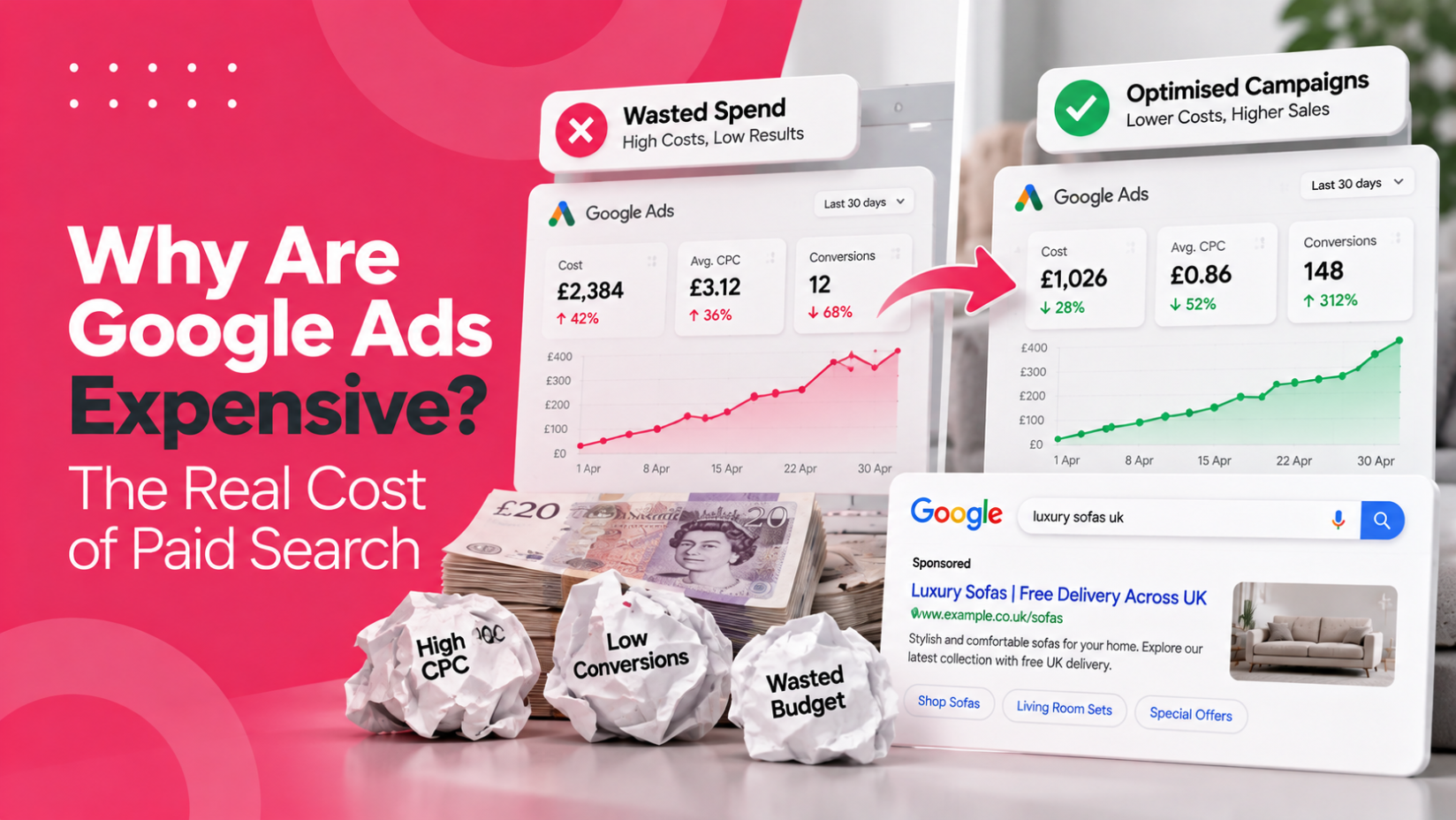
That distinction matters because local advertising budgets are easily wasted. Broad targeting, weak landing pages and poorly measured campaigns can make activity look busy while the phone remains quiet. The objective is not the lowest possible cost per lead. It is the lowest sensible cost per qualified customer, with enough volume to support profitable growth.
Start With the Economics, Not the Ad Platform
Before choosing Google Ads, Meta, Local Services Ads or any other channel, establish what a lead is actually worth. A £15 enquiry can be expensive if one in 20 becomes a customer. The same £15 can be highly profitable if your team converts one in four and the average job value is substantial.
Work backwards from the numbers your business can support. Consider average customer value, gross margin, close rate, capacity and the proportion of enquiries that are genuinely within your service area. A locksmith with urgent, high-value call-outs will have different targets from a landscaper quoting for larger projects over several weeks.
A practical benchmark is your maximum cost per booked job, then your maximum cost per qualified lead. If a completed job generates £500 in revenue at a healthy margin and one in five qualified enquiries converts, there is a clear ceiling for lead acquisition. That gives marketing a commercial target rather than an arbitrary monthly spend figure.
It also reveals operational constraints. There is little value generating 80 leads a month if nobody answers the phone quickly, follows up estimates or has availability to take on the work. Lead generation and lead handling are two parts of the same revenue system.
Capture Demand When It Is Already There
For many local services, Google Search is the most dependable starting point because it reaches people actively looking for a solution. Someone searching for “emergency electrician near me” has very different intent from someone scrolling through social media and noticing an advert.
Search campaigns should be structured around the services, locations and urgency that matter commercially. A firm offering boiler repairs, installations and servicing should not put every term into one campaign and hope Google distributes spend intelligently. Each service can have a different conversion rate, job value and competitive landscape.
Build around intent, not just keywords
The strongest campaigns separate urgent enquiries from research-led searches. Terms such as “same day”, “repair”, “near me”, “quote” and named local areas often indicate a person is closer to action. Broader terms can still have value, but they need tighter control and a clear role in the account.
Negative keywords are equally important. Without them, local businesses can pay for irrelevant searches involving jobs, training, DIY advice, free services, suppliers or locations they do not cover. This is unglamorous work, but it protects budget week after week.
Location settings also need scrutiny. A campaign intended for London or a defined group of boroughs can drift beyond its true service area if account settings are left to default behaviour. Use location targeting carefully, review search term data and exclude areas that produce poor-quality enquiries. A wide radius is not always growth. Sometimes it is simply longer travel times and less profitable jobs.
Make the Landing Page Do Its Job
An advert earns attention. The page after the click earns the enquiry. Sending paid traffic to a generic homepage usually creates unnecessary friction, particularly when the visitor needs urgent help.
A strong local service landing page should answer the questions a buyer has in seconds: what you do, where you work, whether you are available, why you are credible and how to contact you. It should be built for mobile first, because many local searches happen from a phone when the need is immediate.
The page does not need clever copy to convert. It needs clarity. Put the service and location prominently near the top, make the telephone number easy to tap, show appropriate proof such as reviews, accreditations or years of experience, and use a short enquiry form for customers who cannot call.
Avoid asking for too much information before the first contact. For a simple repair or home visit, name, phone number, postcode and a brief description may be enough. For higher-consideration services such as legal advice or building work, extra qualification questions can be worthwhile because they help filter unsuitable enquiries. The right balance depends on sales capacity and lead quality, not a universal form-length rule.
Measure Calls, Forms and Booked Work
Local service lead generation fails when the only metric is online form submissions. Calls may be your best leads, particularly for urgent work, while a form completion may never receive a response. Track both properly.
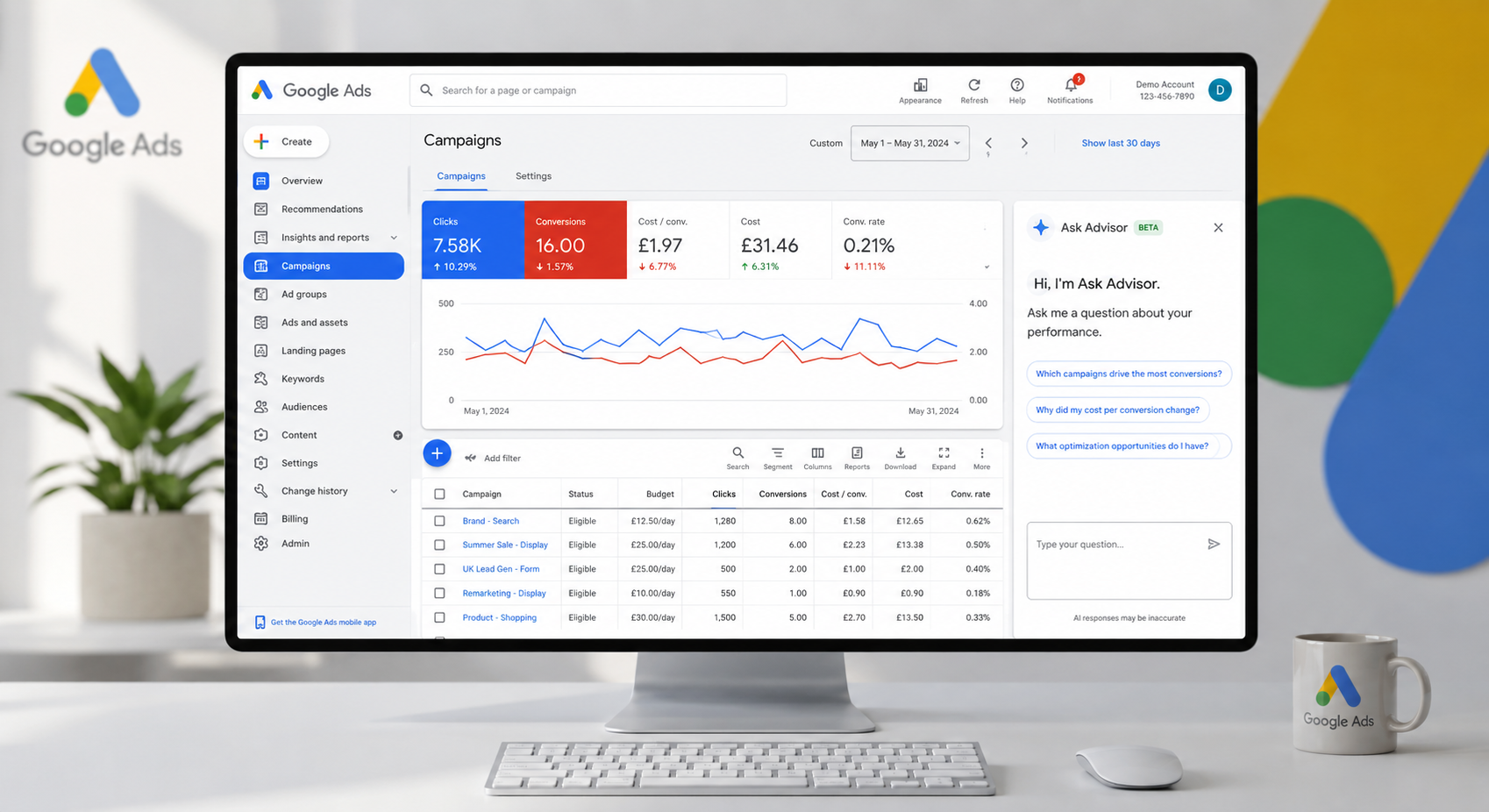
At a minimum, measure calls from ads, calls from the website, completed forms, chat enquiries and booked appointments. Better still, connect lead outcomes back to the advertising platform through a CRM or disciplined offline conversion process. That lets you distinguish a £20 tyre-kicker from a £60 lead that became a £2,000 project.
There are several numbers worth reviewing together:
- Cost per qualified lead, rather than cost per raw enquiry alone
- Lead-to-booking rate and booking-to-sale rate
- Revenue and gross profit by campaign, service and location
- Call-answer rate and response time
- Wasted spend from irrelevant terms, unsuitable locations and duplicate leads
This data changes decision-making. A campaign with a higher cost per lead may deserve more investment if it produces the most profitable work. Conversely, a low-cost campaign should be reduced if it mostly attracts price shoppers or requests outside your scope.
Use Paid Social for Demand Creation, Not Just Cheap Leads
Meta, Instagram, TikTok and other paid social channels can be valuable, but they serve a different purpose from high-intent search. They are often best for services where people do not search until prompted: bathroom renovations, cosmetic treatments, home improvements, financial planning or specialist B2B services.
The trade-off is lead intent. Social platforms can generate volume at an attractive headline cost, yet some prospects may be early in their decision process. That does not make the channel ineffective. It means the campaign needs a suitable offer, qualification questions and follow-up process.
Use visual proof that makes the result tangible. Before-and-after work, short customer stories, team expertise and clear explanations of a common problem generally outperform vague claims about being the best. For longer sales cycles, a consultation, guide, site survey or finance estimate may generate better prospects than an immediate hard sell.
Retargeting is particularly useful. People who visited a service page, watched a substantial portion of a video or began a form have already shown intent. A carefully timed reminder can bring them back without paying again to reach a cold audience.
Optimise the Whole Lead Journey
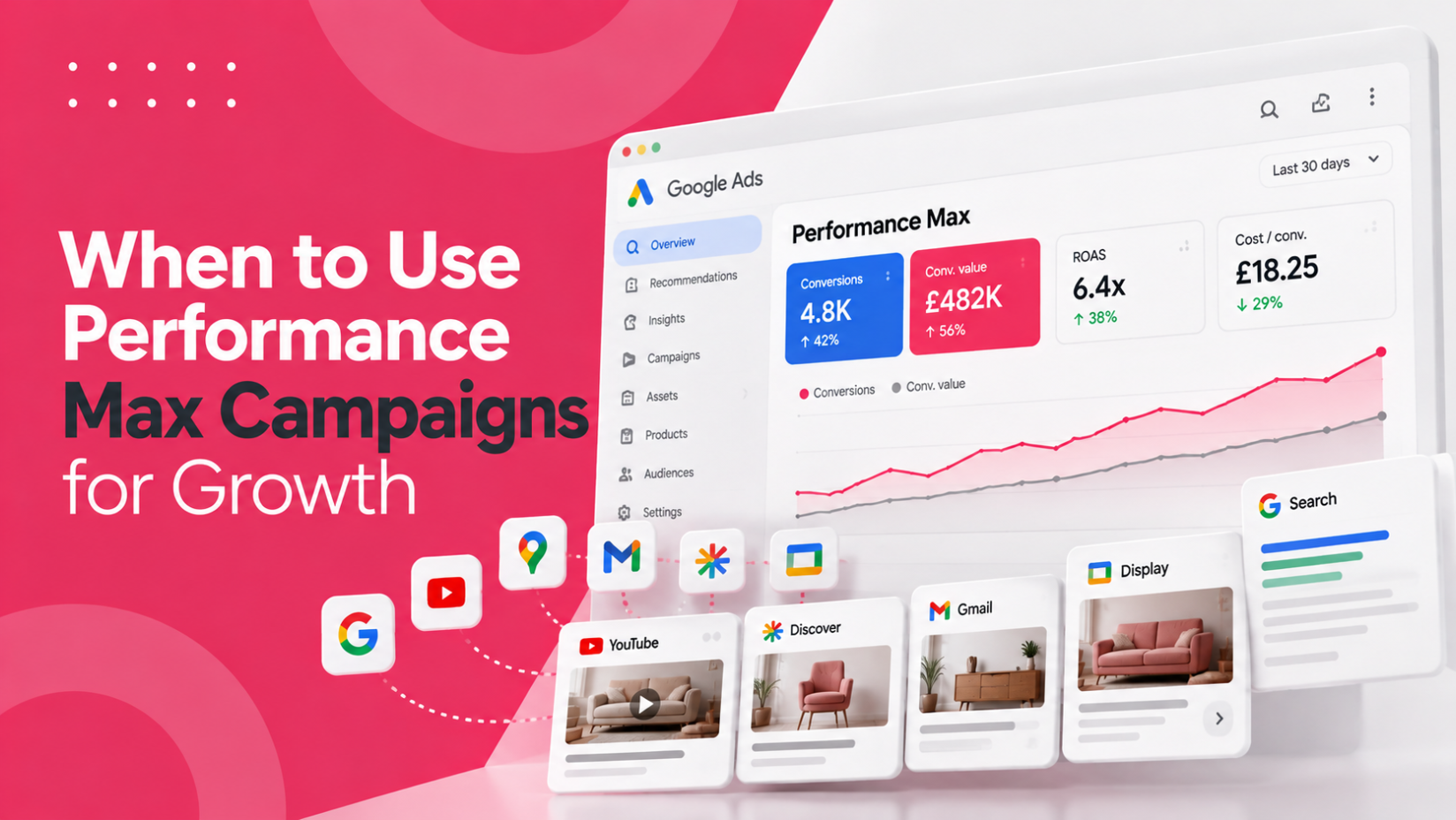
Campaign performance rarely improves through platform automation alone. Smart bidding, Performance Max and AI-led recommendations can help process signals at scale, but they are only as useful as the conversion data fed into them. If every phone call is counted as equal, the algorithm cannot tell a valuable booked survey from a wrong number.
This is where expert oversight matters. Review which searches, adverts, audiences and locations generate real outcomes. Test messaging, landing page layouts and conversion actions methodically. Protect branded traffic from distorting performance. Watch for sudden rises in invalid leads or drops in call quality before increasing budget.
Maple Forest Marketing approaches this as an accountable paid-media process: define the commercial outcome, build campaigns around genuine demand, measure lead quality and keep improving the parts of the journey that affect CPA, revenue and return on ad spend.
Give Every Enquiry a Fast, Useful Response
Even the best campaign cannot compensate for slow follow-up. For urgent local services, a call answered within minutes can be the difference between winning the job and losing it to the next advertiser. For quote-led work, prompt, helpful contact builds confidence before price becomes the only comparison.
Set clear ownership for new leads. Agree who answers calls, who follows up missed calls, how quickly form submissions receive a response and when unconverted estimates are chased. Record outcomes consistently, including why a lead was lost. Price may be the reason, but so might be distance, timing, a service mismatch or a competitor responding first.
The businesses that scale local acquisition sustainably do not chase the cheapest click. They build a system that turns local intent into well-handled conversations, profitable jobs and evidence for the next smarter decision.